
The 4 Best Dog Breeds for Psychiatric Service Dogs
If you're considering a service dog, one of the first things to recognize is that dog breed matters. Service dogs require a very specific temperament and trainability, and must be physically healthy to perform their jobs. Over the past century, certain breeds have been developed and stand out as the most well-suited for service dog careers. While legally under the Americans with Disabilities Act (ADA), any breed or mix of dog can become a service dog, only a handful consistently succeed as fully trained service dogs. For each service dog job, a unique drive is required, which means some breeds are better suited to psychiatric service dog work.
Here are the four breeds that dominate the professional service dog training world, and why each one is likely to succeed!
1. Labrador Retrievers
Labs are the most popular service dog breed in the world, and for good reason. Everyone thinks labs are the boring, overly popular family dog until they get a lab! They have been bred to work closely with people, with their friendly nature, intelligence, and eagerness to please.
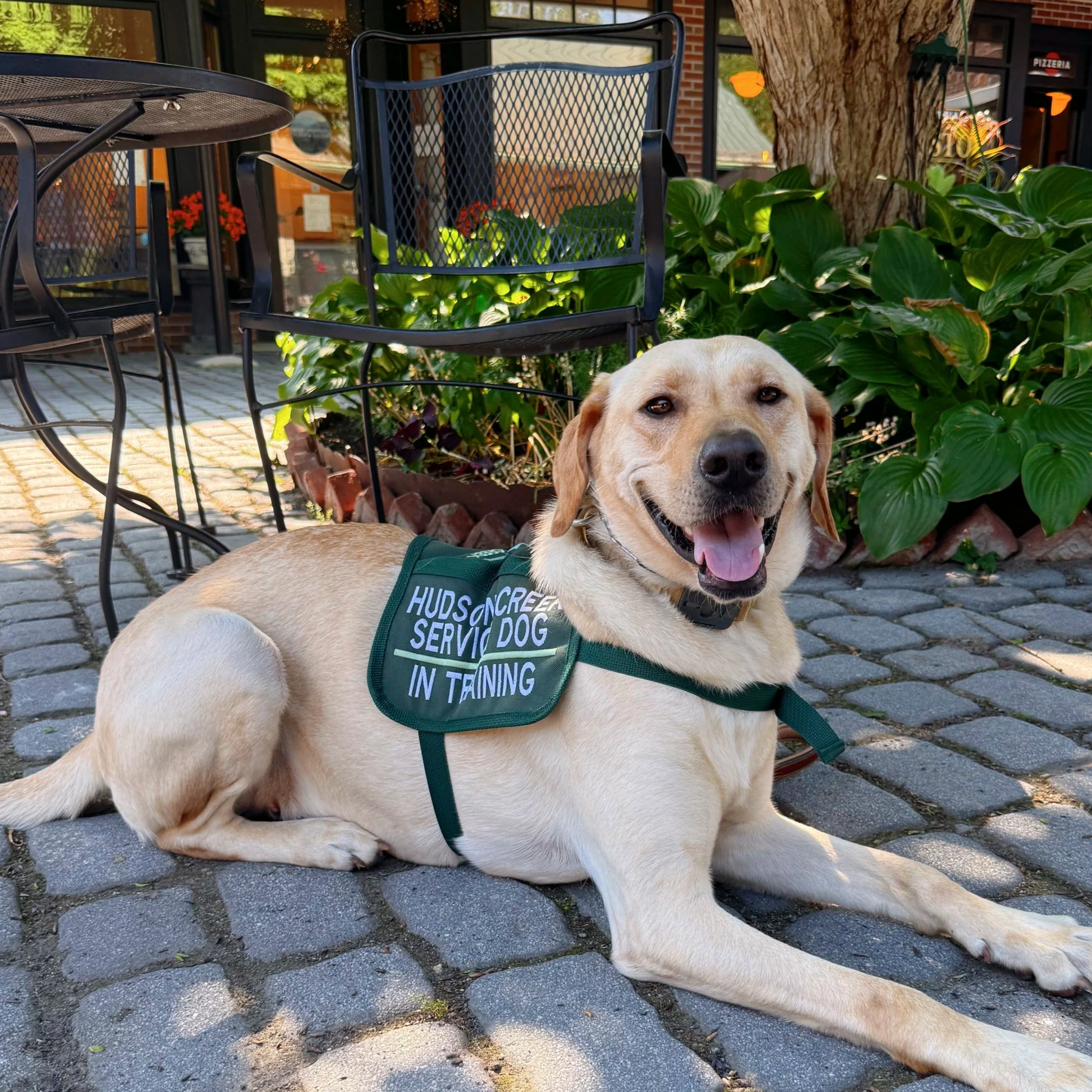
Why Labs succeed
Food and toy motivated, making them easy to train with positive reinforcement.
Stable, friendly temperament towards people and dogs that holds up well in challenging environments.
Natural retrieving instinct, which is useful for tasks like picking up dropped items, opening doors, or carrying objects.
Versatile size and build, suited to many different types of service dog roles.
Handler forgiving, meaning they are not overly sensitive to handlers’ mental states, making them well-suited as psychiatric service dogs for handlers with frequent emotional outbursts involving anger and panic.
2. Golden Retrievers
Goldens share many similarities with Labs, but bring their own personality traits, including an eager-to-please warmth. They tend to be more sensitive to their handler’s emotional state and have a much softer coat texture.
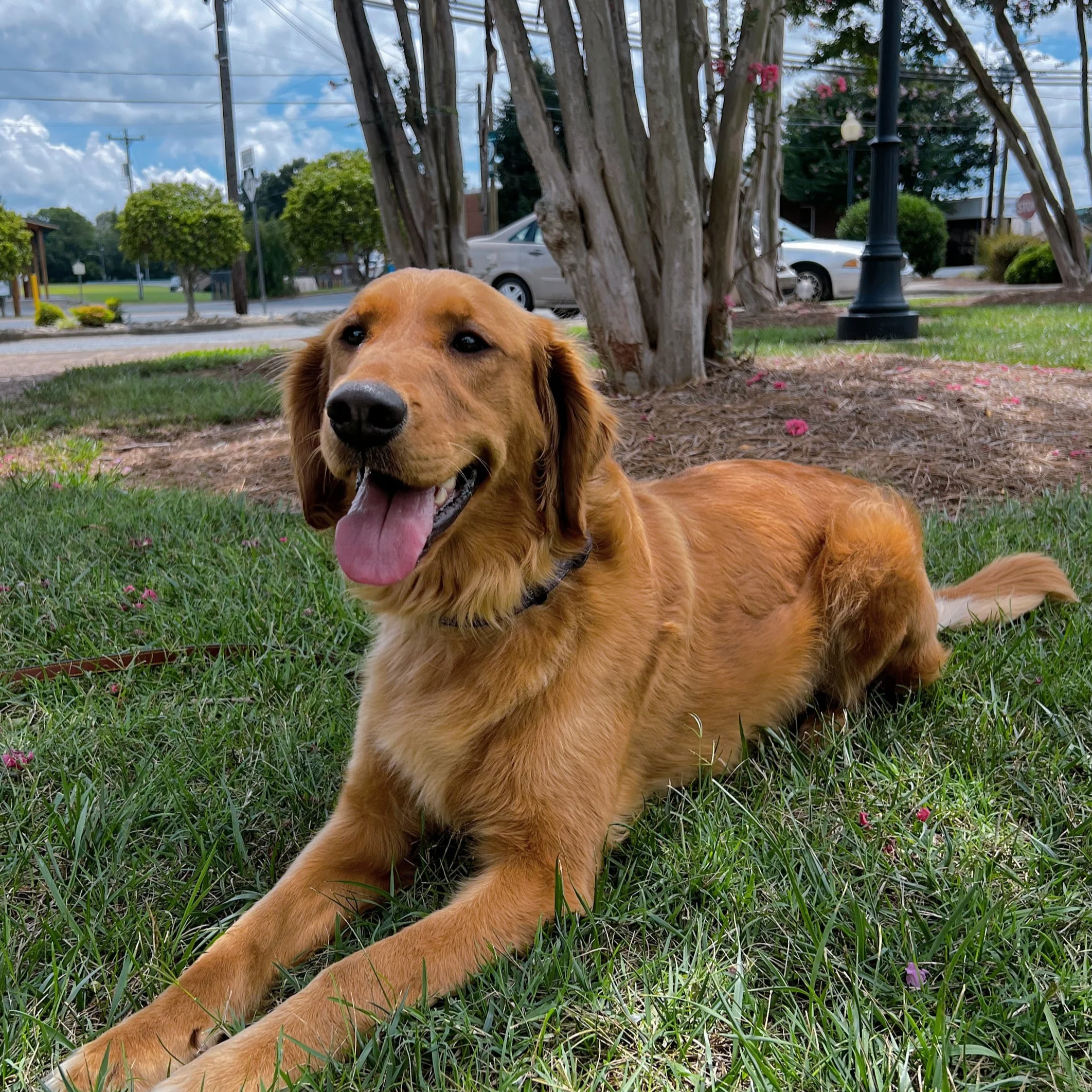
Why Goldens succeed
Food and toy motivated, making them easy to train with positive reinforcement.
Stable, friendly temperament towards people and dogs that holds up well in challenging environments.
Gentle with children and vulnerable people, a major plus for homes with kids.
A beautiful, soft to the touch coat that is generally better for sensory sensitive handlers than labs. However, more frequent grooming is required!
Attentive to the handler’s emotional states, combined with patience, which makes them incredible psychiatric service dogs.
3. Standard Poodles
Poodles often surprise people. Their reputation as a fussy show breed obscures the fact that poodles are some of the most intelligent working dogs out there! Many people pass them up for a doodle, but breeding has consistently shown that deliberately crossing dog breeds leads to unpredictable temperament, coat type, and suitability as a service dog. Besides, poodles' coat type means they can have practically any haircut out there, including a teddy-bear doodle style!
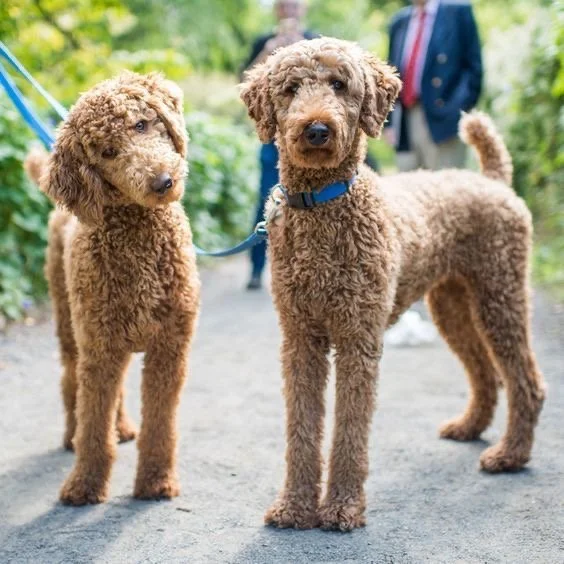
Why Poodles succeed
High intelligence, making training go smoothly.
Note: Unlike the intelligence of labs/goldens, poodles have a stubborn streak and can easily outsmart us humans! Combined with many being pickier about food and toys, this can make them challenging to motivate.
Low-shedding coat, which is a critical advantage for handlers with allergies or sensitivities. However, please check that the allergy is due to dander, not saliva, or getting a poodle may not help!
One-handler oriented. They pick a person and become fiercely loyal, sometimes even refusing to obey strangers' commands. A big plus for service dogs, as they are unlikely to develop excitability towards people in public.
Being sensitive to their handler's body language and emotional state means they easily pick up on subtle cues and odor changes, making them most suitable for psychiatric and medical alert tasks.
4. Smooth and Rough Collies
Rough Collies are my personal favorite, which is self-admittedly completely biased. My personal service dog is a rough collie (follow us!), which has made them my lifelong heart breed! However, they are also the least common of the four on this list for service work. They are the only herding breed widely recommended by service dog trainers, bringing a uniquely gentle, watchful temperament that suits handlers looking for a loyal, sensitive, attention-grabbing partner. Their lack of popularity is due to changing breed trends after the Lassie boom, the amount of grooming rough-coated collies require, and many collies being too sensitive to environmental factors such as crowds and noise.
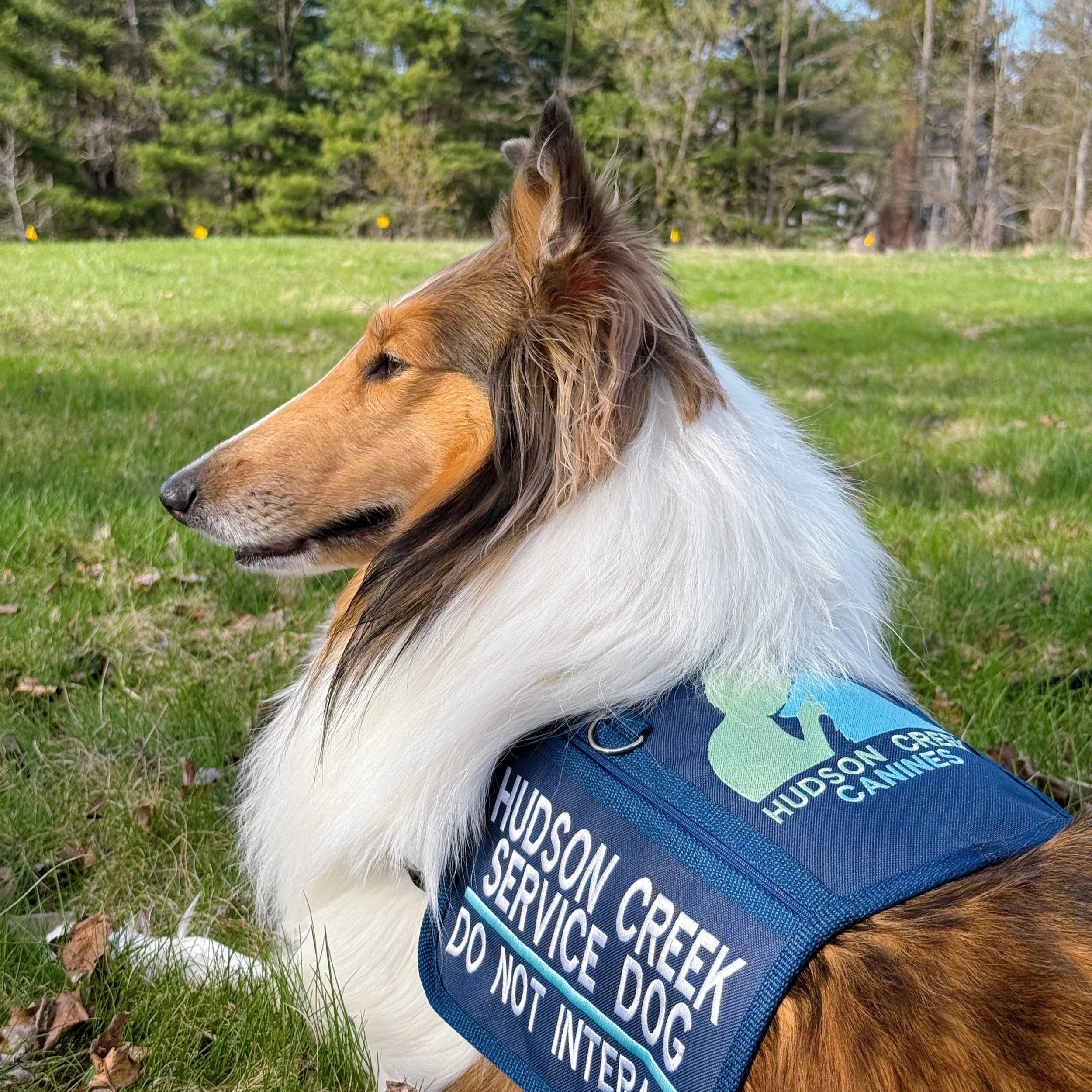
Why Collies succeed
Gentle, affectionate temperament, good for handlers who want a cuddly dog that doesn’t need to walk a few miles a day.
Fun fact: People are scared off by the name association to border collies, but rough/smooth collies have the least amount of energy on this list! Perfect for people who have a harder time getting out of the house.
Intelligent, trainable, and eager to please, responding well to consistent, reward-based methods.
One-handler oriented, originating from their herding genes, leading them to be naturally neutral towards strangers and other dogs.
A striking appearance that increases positive public interactions can boost some psychiatric service dog handlers' confidence in public spaces.
Choosing the Right Breed for the Job
The truth of the matter is that there is no single “best” breed for a service dog. The right choice depends entirely on the job they need to do, the handler’s lifestyle, and the personality they prefer in their dog.
Whatever breed you choose, remember that breed is only the starting point. Individual temperament, professional training, and a strong bond matter just as much as pedigree. I have personally seen mixes pulled off of euthanasia lists succeed, while a lab specifically bred and carefully raised and trained for service work has failed due to the temperament they were born with.
Ultimately, seeing the dog in front of you for their individual temperament, rather than just what you expect from their pedigree, is one of the most important pieces of the puzzle in raising a service dog. Choosing the right breed match is just the first step. What you build with that individual dog is everything that comes after.
